Best Championship Players 2026/2027: Betting Tips and Players to Watch
Football fans know that the Championship is one of those leagues where a team can look unstoppable one weekend and struggle badly the next. The 2026/2027 season brings another long campaign of promotion battles, surprise results, impressive individual performances and plenty of opportunities to study the betting markets. For readers of Donpredict.com, identifying the best championship players 2026/2027 is about more than picking familiar names. It means looking at current form, minutes played, goals, assists, tactical roles and how individual performances influence a team’s results. A player who shines in a high-scoring side may offer different betting opportunities from a defender who regularly helps his team keep clean sheets.
There is an important distinction between identifying talented footballers and predicting which players will deliver the strongest results over a season. Talent matters, but so do fitness, consistency, team tactics and the quality of the opposition. Before backing a goalscorer or predicting a match outcome, it helps to ask whether the player is starting regularly, taking set pieces, creating chances or benefiting from a favourable run of fixtures. Those details often tell a more useful story than reputation alone. This guide explores how to assess Championship performers, compare betting odds responsibly and use player statistics to build a more informed match analysis without treating any prediction as a guaranteed winner.
A quick clarification before getting started: in this article, the Championship primarily means the English Football League Championship, while references to the Players Championship in golf and NBA championship winners are covered separately in the relevant sections. These are different competitions, so their players, statistics and betting markets should never be mixed together.
Explore the Championship in the 2026/2027 Season
The English Championship is a competition where consistency can matter just as much as individual brilliance. Unlike leagues where a small group of clubs dominate most seasons, this division regularly produces unexpected results, late promotion pushes and teams that suddenly improve after a change in manager. That makes it fascinating for supporters and anyone studying football statistics. The best championship players 2026/2027 will not necessarily be the most expensive signings or the footballers with the biggest reputations. Some of the most influential performers could be established players who understand the division, young talents who are ready for a breakthrough, or experienced professionals who provide leadership during difficult away games.
The schedule is another major factor. Championship clubs play a demanding number of league matches, alongside possible domestic cup fixtures, and squad depth can become increasingly important as the season progresses. A striker who starts quickly in August might struggle to maintain the same output during a congested winter schedule. Meanwhile, a midfielder who consistently covers ground and wins possession can become more valuable when injuries force a manager to change the starting eleven. These details help explain why judging players requires more than looking at a handful of impressive performances. A proper assessment should consider the player’s contribution over time, the strength of the opposition and whether his role has changed.
For the 2026/2027 campaign, supporters should also pay attention to promoted clubs, relegated clubs and teams that have rebuilt their squads during the transfer window. Players arriving from another league may need time to adapt, while experienced Championship performers can sometimes settle immediately because they already understand the physical demands of the competition. However, reputation should never replace evidence. Before describing somebody as one of the season’s outstanding players, check recent appearances, starting minutes, goals, assists and injury news. Where reliable current-season statistics are unavailable, it is better to identify the player as someone to monitor than to invent a ranking.
What Makes a Championship Player Stand Out?
A standout player usually combines technical quality with reliable decision-making. For an attacker, that could mean making intelligent runs, creating space for teammates and converting chances without needing several opportunities in every match. For a midfielder, it might mean controlling the tempo, resisting pressure and choosing the right pass when the opposition closes down quickly. Defenders deserve the same attention because well-timed interceptions, strong positioning and calm distribution can change the direction of a game even when they rarely appear on the scoresheet. Looking at these different responsibilities gives supporters a fuller picture of who is actually influencing results.
Statistics can help separate a genuinely effective player from someone enjoying a short spell of good fortune. Goals and assists are useful starting points, but they are not the whole story. Expected goals (xG) estimate the quality of scoring chances, while expected assists (xA) estimate the likelihood that a completed pass will become an assist based on the chance created. Neither metric predicts the future perfectly, but both can provide useful context. A forward scoring regularly while also generating good chances may have a more sustainable attacking profile than a player whose goals have come from a small number of low-probability efforts.
Consistency is just as important. Consider two midfielders: one produces a spectacular performance every few weeks, while the other steadily wins possession, creates opportunities and completes useful passes in almost every appearance. Depending on their roles, the second player may offer greater reliability across a full season. Availability also matters because a footballer cannot influence matches from the treatment room. When assessing the best players in the Championship this season, combine technical ability, recent performances, playing time and tactical importance rather than relying on one impressive statistic.
Best Championship Players to Watch in 2026/2027
Finding the leading performers before everyone starts talking about them is part of the fun of following the Championship. Rather than assuming that last season’s stars will automatically dominate again, examine which players have maintained their roles, which new arrivals have earned regular starts and which young footballers are receiving more responsibility. A change in formation can also transform a player’s influence. A winger who previously stayed close to the touchline might become more dangerous when encouraged to move inside, while a forward who struggled as a lone striker could improve when paired with another attacker.
A useful shortlist should include several different player profiles. Start with forwards who regularly get into scoring positions, creative midfielders who supply dangerous passes, defensive midfielders who protect the back line, and defenders who contribute to both possession and defensive stability. Goalkeepers should not be overlooked either. A goalkeeper making important saves and organising the defence can be just as influential as a striker scoring the winning goal. The point is to assess each player in relation to his responsibilities rather than comparing everybody using the same narrow measure.
Because the 2026/2027 season is underway, any definitive ranking should be based on verified appearances and statistics from the current campaign. Transfer activity, injuries, suspensions and managerial changes can quickly alter the picture. Without verified live figures in this article, the most reliable approach is to treat the following profiles as a framework for identifying contenders, not as a claim that particular players currently lead the division. Readers can then check the latest club reports and competition statistics before deciding which names deserve closer attention.
Key Attacking Players and Goal Scorers
Strikers naturally attract plenty of attention because goals are easy to understand and can change the result of a match in seconds. Yet a good goalscorer is not simply the player who has scored the most recently. It is worth examining how often he shoots, where those shots come from, whether he gets chances against strong opponents and how regularly he plays the full ninety minutes. A forward scoring from close range after well-worked team moves has a different statistical profile from one relying on long-range attempts or occasional penalties. Both may be talented, but their performances need different context.
Wingers and attacking midfielders also deserve a place on any shortlist of the best championship players 2026/2027. They can influence matches through assists, progressive carries, accurate crosses and the ability to draw defenders away from teammates. Some players create danger even when they do not record a goal contribution, because their movement opens space for another attacker. This is why looking only at goals and assists can produce an incomplete ranking. A forward who presses effectively and helps his team recover possession may also be valuable to a manager whose system depends on winning the ball high up the pitch.
When evaluating an attacker, review his recent starting appearances, minutes played, shot volume, chance quality and involvement in set pieces. Penalties are particularly relevant when interpreting a player’s goal tally because a regular penalty taker has an additional route to scoring. That does not make his goals less meaningful, but it helps explain whether his output is likely to continue if his team receives fewer penalties. The strongest analysis combines these figures with actual match footage or detailed reports, giving a clearer idea of how the player creates opportunities and responds when defenders limit his space.
Midfielders Who Can Control a Match
Midfielders often provide the link between a team’s defensive work and its attacking ambitions. A player who can receive the ball under pressure, turn away from opponents and move possession into dangerous areas gives his team more control over the game. Other midfielders focus on breaking up attacks, winning second balls and protecting the central defenders. Neither role is automatically more important than the other. The right question is whether a player performs his responsibilities effectively and helps the team execute its overall plan.
For the 2026/2027 Championship season, look beyond the number of completed passes when comparing midfielders. Passing accuracy can be useful, but a player who only makes safe sideways passes may have a different impact from one who regularly attempts progressive passes into the final third. Ball recoveries, tackles, interceptions, chances created and successful carries can add valuable context. Statistics should still be interpreted carefully: a midfielder in a possession-dominant side may complete more passes, while someone playing for a struggling team may have more defensive actions simply because the opposition controls the ball for longer.
Set-piece responsibilities can make a creative midfielder particularly influential. Corners, free kicks and indirect deliveries create scoring opportunities that may not appear in open-play statistics. However, being the nominated set-piece taker does not automatically make a player an elite creator; the quality of delivery and the chances produced still matter. Supporters comparing the best players in the Championship this season should therefore consider tactical responsibility alongside measurable output. A midfielder who consistently helps his team progress the ball, limits dangerous counterattacks and creates opportunities may be one of the division’s most valuable performers even without scoring every other week.
How to Identify the Best Players in the Championship This Season
A sensible player assessment begins with a clear time period. Comparing a footballer’s entire career with another player’s last five matches can create misleading conclusions because the two sets of figures measure different things. Decide whether the aim is to identify current form, season-long consistency or overall ability, then compare players using the same period wherever possible. For a current-season review, league appearances should generally be separated from cup matches so that readers can understand exactly which competitions the numbers cover.
Minutes played are one of the most useful starting points. A player with ten goals in 900 minutes has a different scoring rate from someone with ten goals in 2,700 minutes, although the difference in playing time does not prove that the first player would maintain the same rate over a full season. Substitutes may enter matches against tired defences, and a small sample can exaggerate apparent strengths. It is better to examine goals per 90 minutes alongside total goals, starting appearances and the quality of chances received. This provides a more balanced view without pretending that a single statistic can explain everything.
Team context also matters. A forward playing for a side that creates many chances may naturally receive more scoring opportunities than a striker whose team spends most matches defending. Similarly, a goalkeeper facing frequent shots may have a high save count without necessarily being better than a goalkeeper whose defenders prevent dangerous attempts in the first place. Defensive statistics can be influenced by the way a team presses, its average possession and the areas where opponents are allowed to receive the ball. Good analysis recognises these differences rather than treating raw totals as a universal measure of ability.
Finally, check whether the player’s recent performances are supported by consistent involvement. Has he remained in the starting eleven? Has his manager changed his position? Is he returning from injury, or has another player taken over his set-piece duties? These details can explain why statistics have improved or declined. For Donpredict.com readers, the key lesson is straightforward: the best championship players should be assessed through a combination of current evidence, tactical understanding and realistic expectations, not just reputation or social media hype.
Best Championship Players 25/26: Lessons for 2026/2027
The 2025/2026 campaign provides a useful starting point for understanding the players who might remain influential during 2026/2027. However, last season’s performances should be treated as historical evidence, not proof of what will happen next. Players change clubs, managers introduce new systems and young footballers develop at different speeds. Even an outstanding season does not guarantee that the same player will reproduce those numbers twelve months later. For anyone researching best championship players 25 26, the aim should be to understand which performances were consistent, which depended heavily on team circumstances and which players appear ready for another step forward.
A practical review starts with the previous season’s league statistics. Compare appearances, minutes, goals, assists and defensive contributions, taking account of each player’s position. A striker who scores consistently across a full campaign offers a different kind of evidence from a substitute who scores several important goals in a short spell. Likewise, a defender who starts regularly against a variety of opponents may offer a stronger sample than someone whose appearances are concentrated in easier fixtures. The aim is not to dismiss short bursts of form, but to distinguish between a promising signal and a proven pattern.
Transfers make historical comparisons more complicated. A player who performed brilliantly for one club might join a team with a completely different tactical approach. Perhaps his former side played quick counterattacking football, giving him plenty of space to run into, while his new team prefers slow possession and expects him to operate in tight areas. His statistics might change even if his underlying talent remains the same. Before assuming that a player will repeat last season’s output, examine his new role, likely minutes and the quality of service he receives.
For the search phrases championship best players 25 26 and best championship players 25/26, the same principle applies: use last season’s results to identify candidates, then assess their current performances independently. Historical rankings are useful reference points, but a 2026/2027 article should not simply recycle last season’s list. Readers deserve an updated view that recognises changing circumstances and separates confirmed achievements from expectations about the months ahead.
Championship Betting Tips Based on Player Performance
Player analysis is often used to interpret football predictions, but it should never be mistaken for certainty. Even the most reliable forward can have a quiet afternoon, while a team with excellent recent results can struggle when it faces an opponent whose tactical approach causes problems. For adults researching football markets, performance data can help explain why a match attracts attention, but no statistic guarantees a particular result. Since betting is restricted by age and local law, underage readers should keep this discussion to football analysis rather than placing wagers.
One of the most common mistakes in sports prediction is focusing on a player’s reputation instead of his current circumstances. A famous striker returning from injury might not yet be ready for a full match, and a creative midfielder could lose influence after a formation change. Team news is therefore essential when interpreting performance figures. Confirmed starting lineups, recent minutes, suspensions and the availability of key teammates all help explain what a player might be expected to contribute. Even then, the outcome remains uncertain because football contains random events that no model can fully predict.
Match conditions deserve attention as well. A side playing three matches in a short period may rotate its squad, while a team fighting for promotion could approach an away fixture more cautiously than a home game. Weather, pitch conditions and the opponent’s defensive structure can also influence the type of chances created. These factors do not need to become an elaborate prediction system; they simply provide context for understanding why the same player may perform differently from one match to the next.
Goalscorer, Assists and Player Performance Markets
Goalscorer statistics are useful for comparing attacking contributions, but there are several different ways to evaluate a forward. Total goals show overall production, goals per 90 minutes account for playing time, and expected goals offer a measure of the chances a player receives. Combining these figures can reveal whether a player’s output appears consistent with the opportunities created for him. Still, expected goals are estimates rather than promises, and a player can outperform or underperform them for extended periods.
Assists and chance creation provide another perspective. A winger who repeatedly delivers accurate passes into dangerous areas may be creating value even when teammates fail to finish those chances. Expected assists can help describe the quality of those opportunities, while key passes offer a simple measure of passes leading directly to shots. Neither statistic fully captures decision-making, movement or the difficulty of a pass, so match reports and tactical analysis remain useful companions to the numbers.
Defensive contributions should not be ignored when evaluating the overall importance of a player. A holding midfielder may help his team control the game by intercepting passes and recovering possession, while a centre-back can prevent opportunities through positioning rather than spectacular tackles. Goalkeepers need to be assessed using saves, shot quality, distribution and command of the penalty area. A balanced review of these roles provides a much more accurate picture of team performance than focusing exclusively on goals.
How to Compare Odds and Find Value
Odds are a way of expressing how a bookmaker prices an outcome, rather than a guarantee that the outcome will happen. Decimal odds can be converted into an implied probability by dividing 1 by the decimal price and multiplying by 100. For example, decimal odds of 2.00 imply a probability of 50% before accounting for the bookmaker’s margin. This calculation describes the price’s implied probability; it does not establish the true chance of the event occurring.
Different bookmakers may display different prices because they use different models, market information and risk-management approaches. Comparing prices is therefore a mathematical exercise, but it should not be confused with proving that a prediction is correct. A shorter price does not make an outcome certain, and a longer price does not automatically make an outcome attractive. Reliable analysis requires an independent estimate of probability, and even well-informed estimates can be wrong.
It is also important to understand the bookmaker’s margin. In a market with several possible outcomes, the implied probabilities calculated from all listed prices can add up to more than 100%. That excess generally reflects the margin built into the market. Without accounting for it, a reader may mistakenly assume that the displayed odds represent unbiased probabilities. Market prices should be treated as information about how an event is being priced, not as an authoritative forecast.
For sports readers, the most useful lesson is to separate statistical analysis from promotional claims. A headline promising a guaranteed winner is not credible, and a player with impressive recent numbers can still underperform. Keep track of the assumptions behind any forecast, verify the underlying data and remember that past results do not guarantee future performance. Betting is intended only for adults where legal; younger fans can explore probability, statistics and match analysis without risking money.
Players Championship Golf: Odds, Records and Betting Questions
The phrase Players Championship can refer to a golf tournament rather than the English football league. This distinction matters when researching searches such as who has the best odds to win the players championship, what are the best tickets for the players championship, and what golfers play best at the players championship. Golf involves different statistics, course conditions and competitive formats, so football performance indicators cannot be applied directly. Anyone researching the golf event should start by identifying the correct tournament edition and checking the official field, course information and published results.
Golfers’ course history can provide useful background, particularly when a player has repeatedly performed well at the same venue. However, previous success is only one part of the picture. Current form, driving accuracy, approach play, putting, course setup and weather conditions may all influence performance. A golfer who has enjoyed success at a course in previous years may still struggle if his current game is inconsistent. Conversely, a player with limited course history may perform well if his strengths match the conditions.
Questions about tickets require a different approach again. The best ticket depends on the event date, the part of the course a spectator wants to see, the available viewing areas and the official ticket terms. Visitors should check the tournament’s official ticketing information for current availability and prices rather than relying on outdated advertisements. Golf tickets are not the same thing as betting odds, and the two should not be confused when researching the Players Championship.
Who Has the Best Chance to Win the Players Championship?
There is no permanently correct answer because the field and player form change from one tournament to another. To identify leading contenders for a specific edition, examine the confirmed entry list, recent results, strokes gained statistics and performance in the tournament’s previous editions. Current odds can show how bookmakers are pricing the field, but they do not establish who will actually win. Any serious assessment should identify the tournament year and distinguish verified information from speculation.
Who Has the Best Record at the Players Championship?
Historical records depend on the specific statistic being measured. A golfer may have multiple victories, while another might have a strong record of top finishes without winning the tournament. When comparing players, use official tournament records and specify whether you mean the most victories, the most top-ten finishes or the best scoring performance. That makes the answer much more precise and avoids treating different achievements as though they were identical.
Best NBA Players Never to Win a Championship
Basketball provides another example of why individual quality and team success are not the same thing. Some exceptional NBA players have produced extraordinary scoring seasons, won individual awards and earned widespread respect without winning an NBA championship. A title depends on much more than one player’s ability: teammates, coaching, injuries, opposition strength and the structure of the playoffs can all influence the final outcome. That is why discussions about the best NBA players to never win a championship remain popular among basketball fans.
The following are well-known historical examples, not a current-season ranking.

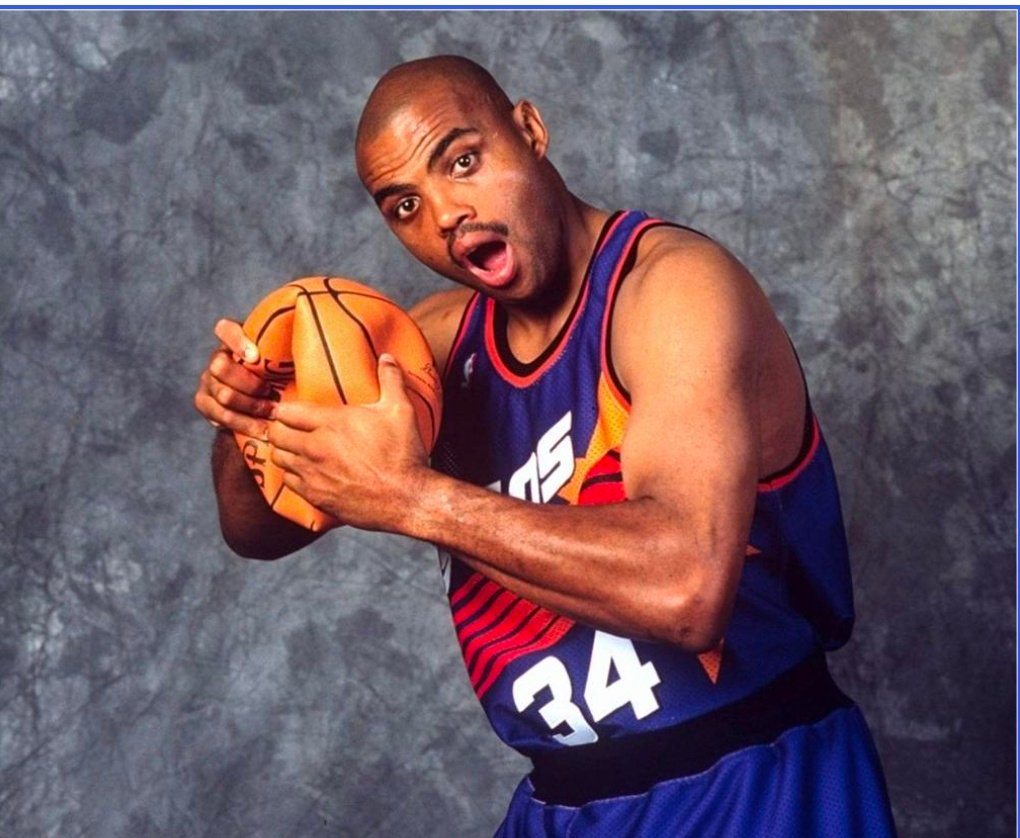
Charles Barkley
Barkley was one of the most powerful and productive forwards of his era. He won the NBA Most Valuable Player award in 1993 and led the Phoenix Suns to the NBA Finals that year, but he never won an NBA championship. His career is a classic example of how an elite individual can come close to the ultimate team achievement without securing it.

Allen Iverson
Iverson brought explosive scoring and fearless attacking play to the Philadelphia 76ers. He won the NBA MVP award in 2001 and led Philadelphia to the Finals in the same year, where the team lost to the Los Angeles Lakers. His influence on basketball culture and his individual achievements remain significant despite the absence of a championship ring.

Patrick Ewing
Ewing was a dominant centre for the New York Knicks and a key figure in several highly competitive playoff teams. The Knicks reached the NBA Finals during his career, but a championship remained out of reach. His career shows how difficult it can be to win a title when a team repeatedly encounters elite opposition.

Reggie Miller
Miller became famous for his shooting, clutch performances and long career with the Indiana Pacers. He led the franchise to the NBA Finals in 2000 but did not win a championship. His ability to deliver in pressure situations made him one of his generation’s most memorable guards.
Other frequently discussed names include Steve Nash, Tracy McGrady and Carmelo Anthony, although their careers and playoff achievements differ considerably. When researching the best NBA players that never won a championship or the best players to never win an NBA championship, it is important to specify whether the question concerns a player’s entire career, peak ability or postseason accomplishments. A championship is a major achievement, but it is not the only reasonable measure of basketball greatness.
Common Mistakes When Analysing Championship Players
Even experienced football supporters can get player assessments wrong when they rely too heavily on recent results. A striker who scores twice in one match may suddenly attract attention, but two goals do not automatically make him the division’s most reliable scorer. Likewise, a defender who makes several last-ditch tackles might be working in a team that regularly allows opponents into dangerous positions. Statistics need context, and a player’s contribution should be considered over a reasonable period rather than judged by one exciting afternoon.
Another common mistake is ignoring changes in team selection. A footballer might have produced excellent numbers earlier in the season but now faces competition from a new signing. A tactical change could also reduce his opportunities, even if his personal ability has not declined. Checking recent starting lineups, minutes played and injury updates helps explain these changes. It is particularly important when comparing players who occupy different positions or play for teams with very different styles.
Supporters should also be careful with online rankings that fail to explain their criteria. One website might rank players by total goals, another by expected contributions, and a third by subjective opinion. All three approaches can produce different lists without necessarily making every list useless. The problem arises when a ranking presents an opinion as an unquestionable fact. Before trusting a list of the best championship players 2026/2027, ask what statistics were used, when the information was updated and whether the author considered playing time and tactical responsibilities.
Finally, avoid confusing confidence with certainty. Football predictions are inherently uncertain, and no analyst can guarantee a result simply by studying form. The strongest approach is to acknowledge limitations, verify claims and change an assessment when new evidence appears. For Donpredict readers, that means treating player analysis as a way to understand the game more deeply, rather than assuming that a favourite player will always deliver the expected performance.
Conclusion
Finding the Best Championship Players 2026/2027 .The search for the best championship players 2026/2027 is much more interesting when it goes beyond familiar names and headline statistics. The Championship rewards consistency, tactical intelligence, physical endurance and the ability to perform against a wide variety of opponents. Strikers attract attention with their goals, midfielders influence matches through possession and creativity, and defenders often make their biggest contributions through organisation and positioning. Every role matters, and the strongest player assessments recognise these differences rather than judging everyone by the same measure.
For the current campaign, the most reliable starting point is verified performance data. Check appearances, minutes, goals, assists, chance creation and defensive contributions, then consider the player’s tactical role and recent availability. Historical statistics from 2025/2026 can help identify promising candidates, but they should never replace an assessment of current form. A player who has changed clubs or taken on new responsibilities may perform differently, making updated information essential for any meaningful ranking.
The same careful thinking applies to football predictions and sports statistics more generally. Odds express prices, historical results provide context, and player data helps explain performances, but none of these guarantees a future result. Golf’s Players Championship and the NBA’s championship debates also require their own statistics and definitions. Keeping these competitions separate makes research clearer and prevents misleading comparisons.
For fans following Donpredict.com, the best habit is to stay curious, question unsupported claims and keep an eye on the players who contribute consistently rather than simply those who make the headlines. The 2026/2027 season still offers plenty of football to analyse, and the leading performers will become easier to identify as a larger body of current-season evidence emerges. Good analysis starts with reliable information, realistic expectations and an understanding that even the best players cannot control every match.
Frequently Asked Questions (FAQs)
1. Who are the best championship players in 2026/2027?
The strongest candidates should be identified using current-season appearances, goals, assists, chance creation and defensive statistics. Regular starters who perform consistently across different opponents deserve particular attention. An up-to-date ranking should be based on verified 2026/2027 figures rather than simply repeating last season’s list.
2. Who has the best odds to win the Players Championship?
The answer depends on the particular golf tournament edition and its current field. Published odds change with player form, injuries, course conditions and market activity. Check the latest official tournament information and published market prices for the relevant year; odds alone cannot establish who will win.
3. What are the best tickets for the Players Championship?
The right ticket depends on the day you attend, your preferred viewing areas and your budget. Compare available ticket categories, access restrictions and prices through the tournament’s official ticketing channels. Check the terms carefully before making a purchase.
4. What golfers play best at the Players Championship?
Golfers with strong course histories and consistent recent performances are worth examining. Strokes gained, approach play, putting and driving accuracy can help explain how a player matches up with a course. Historical success is useful context, but it does not guarantee another strong finish.
5. Who are the best NBA players never to win a championship?
Historical examples include Charles Barkley, Allen Iverson, Patrick Ewing, Reggie Miller and Steve Nash. Each achieved significant individual success without winning an NBA championship as a player. The ranking depends on whether greatness is measured by peak performance, career achievements or postseason success.